

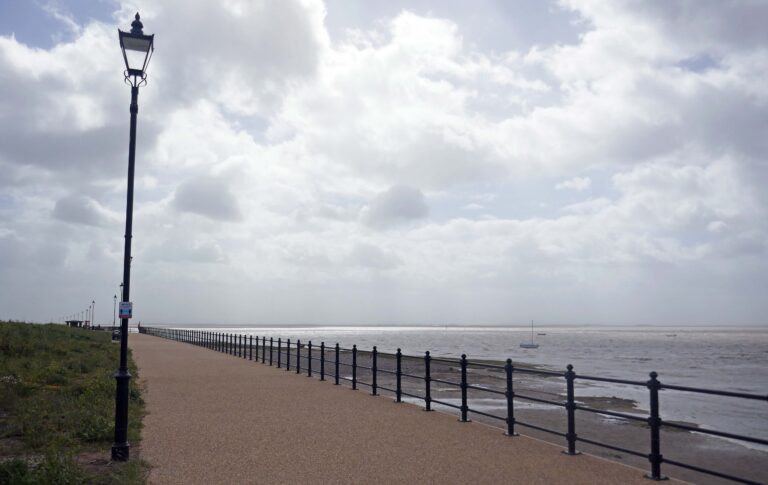
Church Scar is the name given to the section of seafront footpath and beach between Lytham Green and Granny’s Bay.
The above photo shows the newly opened promenade at Church Scar, heading to Lytham, in May 2020. Photo by Visit Fylde Coast contributor Sue Massey.
Visit Fylde Coast went for a look around in August 2020. Take a look –

- If you’ve enjoyed this video, why don’t you subscribe to the Visit Fylde Coast YouTube channel?
It’s named after the shingle bank just offshore – the area of wetland/tidal land known as Church Scar.
Do you know any other reasons why it’s called Church Scar? We presume its name was originally something to do with its close proximity to the White Church. Please let us know, or leave a comment below.

There’s no vehicular access here which makes this promenade a lovely, peaceful walk against the coast. Enjoy the view across the River Ribble, the wildlife and the sunsets.
New Sea Defence at Church Scar
This part of the £21.4m coastal defence project is complete and opened to the public on 15 May 2020. Works were funded by the Environment Agency.
FREE Newsletter
FREE Newsletter

The new defences will protect 2,425 residential and commercial properties and critical infrastructure against the risk of flooding and erosion. A new concrete revetment wall now meets the sea and beach, designed and built to last 100 years. After being upgraded, the promenade is an amazing new public space.
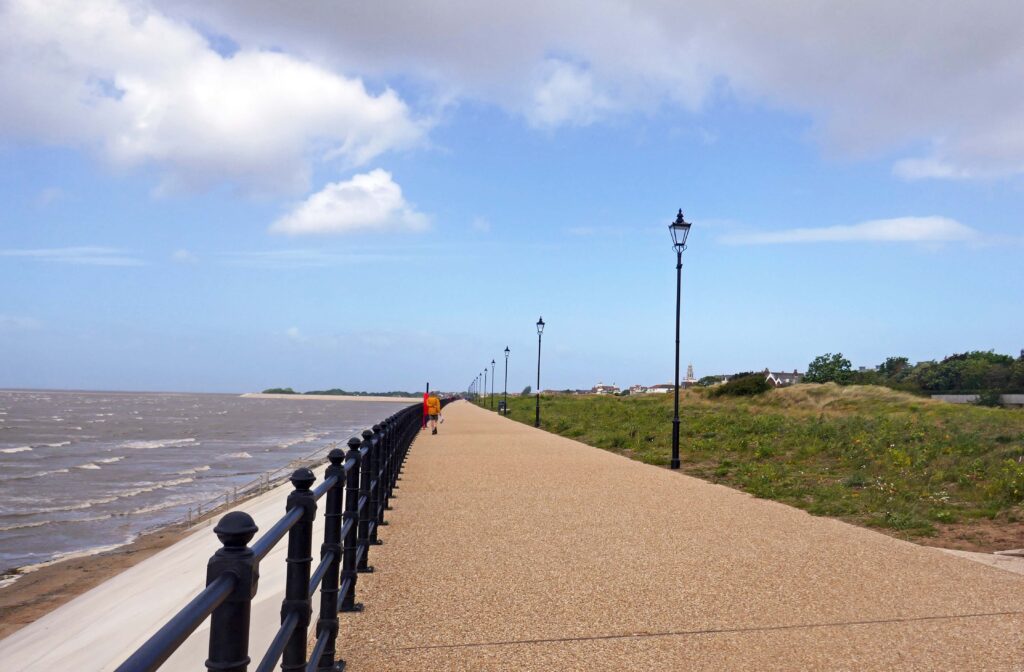
By March 2020 the original deadline had been met and the project was complete. However it remained closed for a while in the interests of public health because of the coronavirus pandemic.
Look at these amazing aerial photos from Fylde Council.


Sea Wall Works Begins
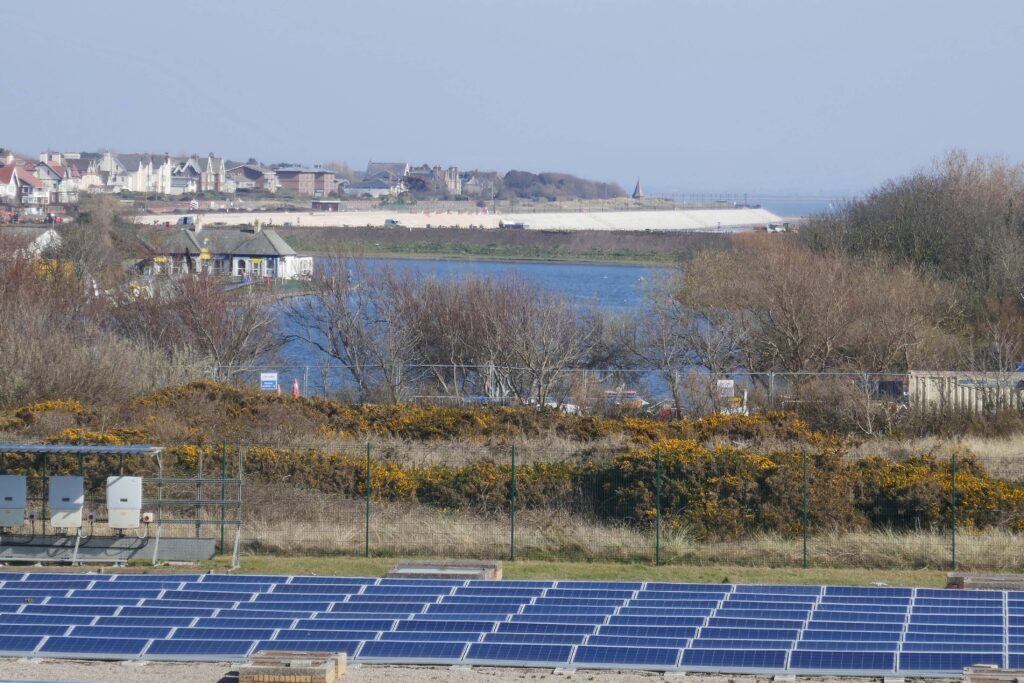
Fylde sea defence works started first at Church Scar. The huge civil engineering project includes piling, earthworks, pre-cast concrete revetment installation and concrete re-surfacing to the promenade.
The public footpath closed when the sea wall works got underway. Toiling away, largely out of sight, contractors VBA Joint Venture Ltd worked their way around the headland.
Measures are in place to protect the sensitive natural ecology and environment. Including, of course, the very important over-wintering bird roosts.

The only thing seen by the public was works as they came around the headland to Granny’s Bay. When work began in summer 2019, public access was closed off at Granny’s Bay.

Joint Working
Blackpool, Fylde and Wyre Councils work together to deliver the Fylde Peninsula Coastal Programme (FPCP).
The FPCP uses the resources and expertise of the four organisations to implement the strategy set out in the Fylde Peninsula Shoreline Management Plan (SMP). The Shoreline Management Plan is a long term plan which aims to identify future risks and put steps into place to manage them.
Fylde Council planning department gave the regeneration of the Sea Defences at Fairhaven Lake and Church Scar the go ahead on Wednesday 19th April 2017. The entire works span on the coastline from St Pauls Avenue through to Seafield Road.
Through joint working, the new sea walls at Rossall/Fleetwood and Anchorsholme/Blackpool have been completed.
Plus these works at Church Scar along with Granny’s Bay and Fairhaven Lake.
The Old Sea Wall at Church Scar
The sea defence here was a concrete wall, originally built in the 1890’s. As you’d expect from a structure so old, the failing wall needed emergency repairs every year. This is it, photographed in 2011.

The dangers of it failing weren’t just seawater flooding over the top. Following a breach, the sand/shingle embankments underneath the wall would quickly erode once exposed to the sea. If the old wall had collapsed or eroded, the consequences would have been unthinkable.
Watch the Wildlife
Keep your eyes out for local and visiting wildlife when you take a walk here. The whole of the Ribble Estuary is an important feeding ground for thousands of birds throughout the year. Some live here, others stop off on their long migratory journeys.
Visit Fylde Coast took a winter walk around the coastal footpath on a cold and wintery November day in 2011. Do you know what kind of ducks these are, which we saw feeding in the mud?

Particularly during winter and spring you’ll see waders like dunlin, sanderling and red knot.
And you’ll hear flocks of pink footed geese as they fly overhead, between their feeding grounds.
While you’re here…
Go to the homepage of the Visit Lytham website for the latest updates.
Love the Fylde Coast? Sign up for your weekly email newsletter. Packed full of interesting things it arrives in your inbox all 52 weeks of the year.
- Join the Visit Fylde Coast Facebook Group
- Follow us on Twitter @visitFyldeCoast

We Need Your Help
We Need Your Help




Church Scar is the name of the bed of hard clay and pebbles to seaward of Fairlawn Road to the east of the Vee Wall. It is named after Lytham Parish Church (St Cuthbert’s) as that was the prominent land mark there. The Fylde Council decided to call that part of Lytham promenade Church Scar when talking about the rebuilding to differentiate it from West Beach, Central Beach, East Beach, Granny’s Bay and Fairhaven Promenades.
Thanks for letting us know. I guessed it was something to do with the sea bed but that’s really interesting!